Listed Buildings & Installation Restrictions
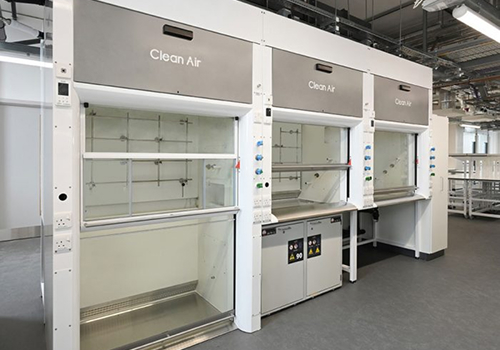
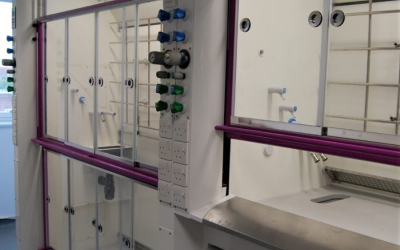
Ideal where the building is listed or ducting modifications are restricted, and where retrofitting ductwork would be impractical or cost-prohibitive.

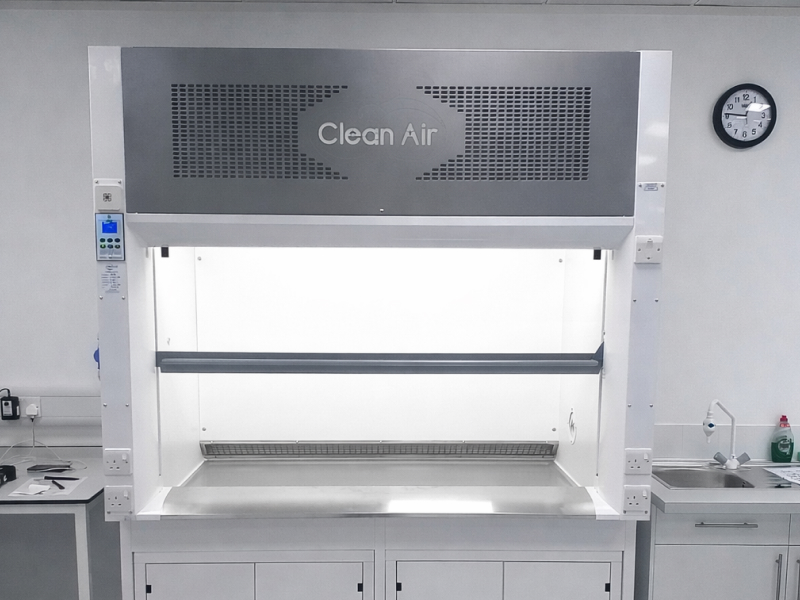
Recirculation Filtration Fume Cabinets with Improved Airflow
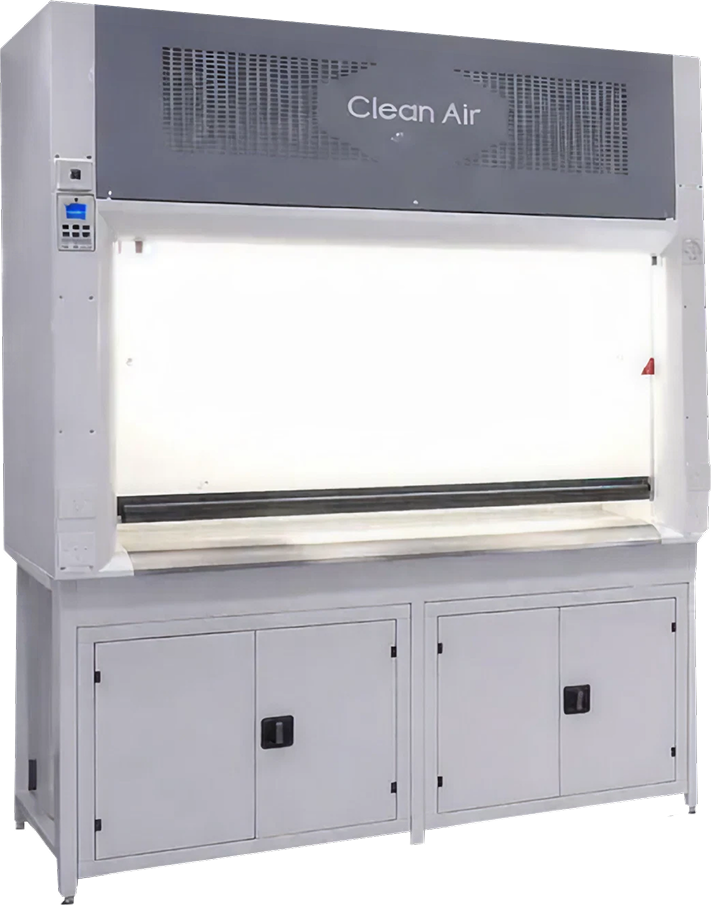
Clean Air’s recirculating fume cabinets provide reliable containment in spaces where ducted systems aren’t possible. With improved airflow, flexible filter configurations, and optional smart features, they are ideal for mobile labs, teaching spaces, and listed buildings, but must be carefully specified and maintained to ensure safety.
When Is a Recirculating Fume Cabinet the Right Choice?
Recirculating units are ideal in situations where traditional ducted extraction is not practical or achievable, offering a flexible alternative without the need for external discharge systems.
Ideal where the building is listed or ducting modifications are restricted, and where retrofitting ductwork would be impractical or cost-prohibitive.
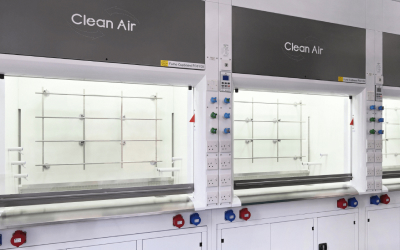

Suitable where there is no access to high-volume extract systems or where full extraction infrastructure is unavailable.
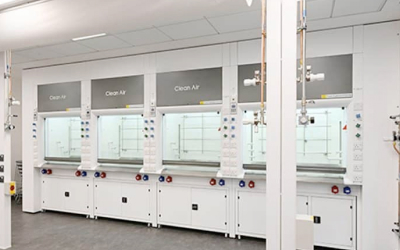

A practical solution where a mobile fume cabinet is required.
With a wealth of experience in the design, manufacture and installation of fume cabinets, Clean Air’s team of technical engineers will advise on suitable systems for each application.
Clean Air’s Technical Director is on the European standards committee for ductless fume cupboard standards – check out our update on BS EN 17242. Many UK manufacturers’ units are still designed to meet BS7989:2001, which is obsolete. Talk to the experts.
Filtration systems can be integrated into the full range of Clean Air fume cabinets to provide either:
A recirculatory unit with a built-in filter system and associated fan unit.
A ducted filtration unit with in-line filter housings and associated extract system that discharges to the atmosphere.
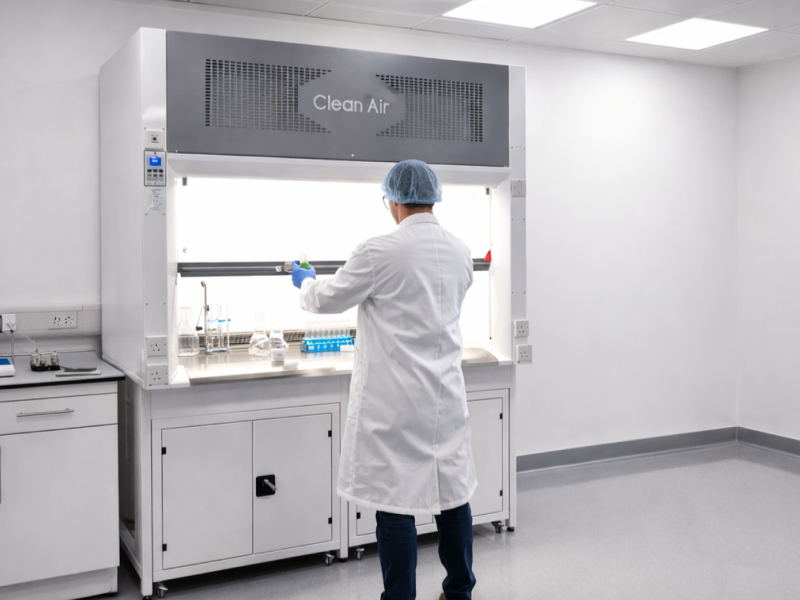
26.7% Greater Airflow for Enhanced Efficiency and Safety
Clean Air’s newly redesigned recirculating fume cabinets now offer 26.7% improved airflow through the filter, increasing overall efficiency, lifespan and enhancing safety.
Recirculating (ductless) fume cabinets offer a practical solution when ducted extraction is not an option. Whether you’re working in a listed building, a sealed lab space, or an environment where full extraction infrastructure isn’t feasible, these units provide a compact and flexible containment alternative.
However, it’s important to recognise that recirculating fume cabinets do not offer the same level of protection as ducted systems. They filter and return air to the room rather than expelling it externally. That’s why a full risk assessment is essential before specifying one for hazardous applications.
The new British Standard for ductless fume cabinets has updated guidance on requirements for the cabinet and the filters – find out more here.
Looking for ducted systems? Explore our ducted fume cabinets.
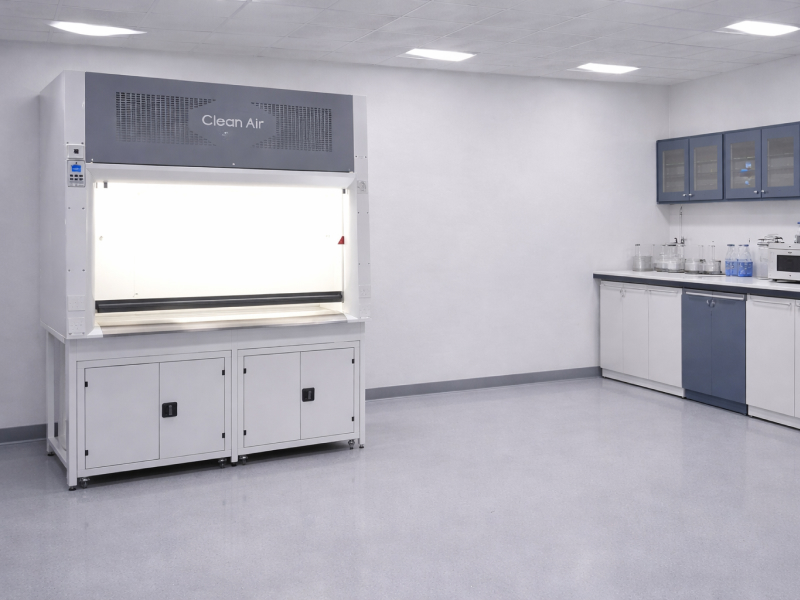
Configured and Customised to Your Lab’s Specific Needs
Our recirculating fume cabinets can be enhanced with additional features to improve usability and compliance.
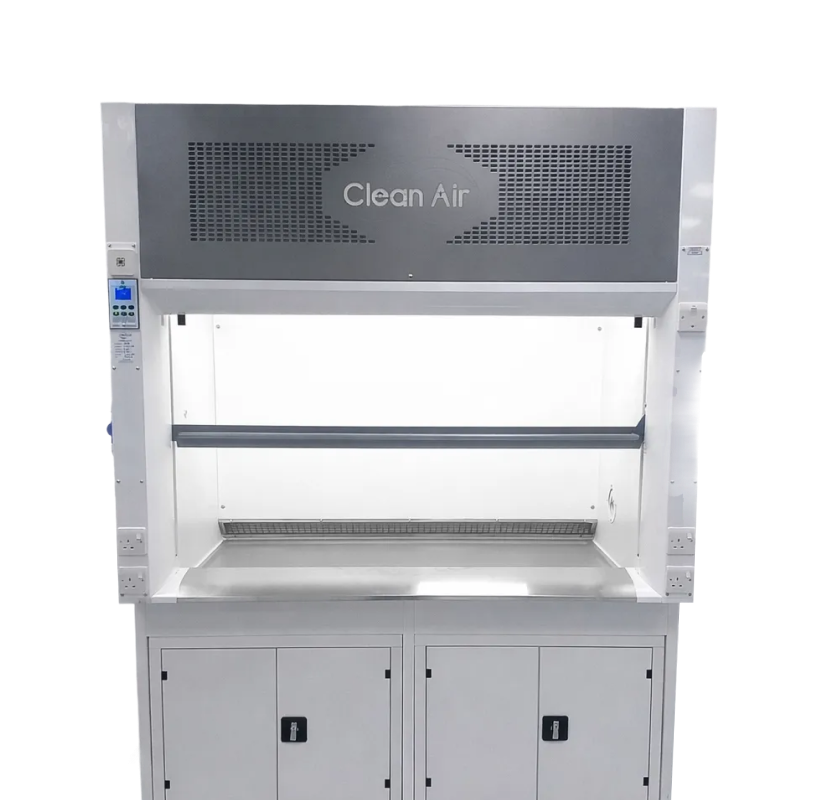
Our recirculating fume cabinets can be fitted with EC fans and dual speed controllers to reduce energy use and noise levels when the sash is closed. A microswitch detects when the sash drops below 100 mm and automatically lowers the fan speed, maintaining containment at a reduced extraction rate which can prolong the life of the filter. When reopened, the fan returns to standard speed of 0.4 m/s at 400 mm. This upgrade offers quieter, more efficient operation.
A running hour counter tracks how long the fume cupboard has been operating. It is useful for logging filter use, especially where SOPs specify time-based checks. However, it’s important to note: running hours do not indicate filter condition or saturation. They simply reflect how long air and/or contaminants have been passing through the system. However, it’s important to note: running hours do not indicate filter condition or saturation. They simply reflect how long air and/or contaminants have been passing through the system.
For added compliance, we can program alarms or notifications based on elapsed time, helping institutions meet internal monitoring or maintenance schedules.
If you would like a fume cabinet which alarms if chemicals are detected downstream of the filter, get in touch and see how we can help provide continuous monitoring.
Choosing the Correct Filters for Your Application
No single filter is suitable for every application. The filter type is determined by the substances used. Each application requires careful consideration to ensure effective protection and compliance with safety requirements. The specification must come from the user or the responsible safety officer. Clean Air can supply a wide range of filters to keep your lab safe.
All Clean Air recirculating units come with a pre-filter that protects the main filters and extends their lifespan.
Provided before the main filter to remove larger particulates, such as dust, from the airstream to protect and extend the lifespan of the main filter. Manufactured from pleated media or fibreglass to suit the application required.
Pre-filters should be changed on a regular basis, depending on the level of use, which would ordinarily be between 6-12 months; actual timescales would be determined through regular monitoring over time.

Carbon filters are designed to capture chemical vapours and gases. The type of carbon used depends on the contaminants to be removed. Dedicated carbons can be provided for specific chemicals and processes, or blended carbons can be provided for a range of contaminants.
Carbon filters may have a lifespan up to 5 years, but this will depend on the type and volume of contaminants they are required to remove.
Regular monitoring will provide a more accurate timescale for adopting a regime of replacement that suits.

See How Our Recirculating Fume Cabinets Are Supporting High-Performance Labs
From world-class universities to specialist research facilities, Clean Air’s recirculating fume cabinets are trusted in laboratories where flexibility, safety, and compliance matter. Explore real-world projects to see how our ductless solutions are being specified and installed in environments where traditional extraction isn’t practical, without compromising on performance.


Clean Air is the UK’s leading fume cupboard supplier for sustainability, committed to becoming carbon neutral by reducing waste, reusing materials, and promoting responsible packaging with our suppliers.


We provide servicing for recirculation fume cabinets, including filter replacement and ensuring the fan is operating correctly, helping you stay compliant with COSHH Regulations.

Frequently Asked Questions
Choosing the right recirculating fume cabinet involves understanding safety, compliance, chemical suitability and ongoing maintenance. Below you’ll find answers to the most common questions to help you make an informed decision with confidence.
A recirculating, or ductless, fume cabinet is a containment system that filters contaminated air and returns the filtered air back into the laboratory. Unlike ducted systems, it does not discharge air externally. These cabinets are typically specified where ductwork cannot be installed, such as in listed buildings, sealed laboratories, or mobile environments.
Air is drawn from the working chamber through a fan and passed through a series of filters, typically a particulate pre-filter followed by activated carbon or specialist media. The filtered air is then returned to the laboratory. Because the air is not exhausted externally, safe performance depends entirely on the correct filter being specified for the substances in use, and on regular monitoring and maintenance to ensure the filters remain effective.
Yes, when properly specified and maintained. Safety depends on:
They are not a universal solution and must be carefully matched to the intended use.
Ducted fume cupboards generally provide a higher level of protection because they remove contaminated air from the building entirely. Ductless systems rely on filtration and are suitable only when correctly risk assessed and matched to the application. For higher-risk processes or uncertain chemical use, ducted extraction is usually the safer option.
Yes, provided they are suitable for the application and properly maintained. COSHH requires that control measures are effective and regularly tested, and a log of maintenance and testing is recorded. The responsibility for ensuring correct specification, safe use, and documented testing lies with the employer.
BS EN 17242 is the British Standard covering ductless fume cabinets. It sets out requirements for cabinet construction, classification, filtration systems, and testing. The standard strengthens guidance around safety and filter performance for recirculating systems.
They are commonly used where:
They are often found in teaching labs, listed buildings, and flexible laboratory spaces.
No. There is no single filter suitable for every chemical. Activated carbon and specialist media are selected based on the substances in use. Some chemicals cannot be safely managed by filtration alone. The filter specification must be confirmed by the user or responsible safety officer following risk assessment.
Many solvents can be managed using appropriately specified carbon filters. However, heavy solvent use, complex mixtures, or highly volatile substances may require ducted extraction instead. Suitability must always be confirmed before use.
Recirculating cabinets:
Application suitability must always be confirmed before installation.
Carbon filter lifespan varies depending on chemical type, concentration, and frequency of use. While filters may last several years in light-duty applications, intensive use will significantly reduce lifespan. Manufacturer estimates should not replace monitoring and documented testing when determining replacement intervals.
Carbon filters do not visibly indicate saturation. Breakthrough testing, continuous monitoring, or scheduled testing regimes are required to confirm performance. Running hour counters only record operating time and do not measure filter condition.
Under COSHH Regulations, fume cupboards and cabinets must undergo a thorough examination and test at least once every 14 months. In practice, most organisations adopt annual inspection schedules. Testing typically includes airflow measurement, visual inspection, and fan performance checks. Additional filter-related checks may be carried out where appropriate.
Employers must ensure fume cupboards and cabinets are maintained in efficient working order and good repair. Maintenance typically includes:
A documented maintenance regime is essential for compliance.
Because they do not require external duct systems, ductless cabinets can reduce installation complexity and infrastructure costs. Features such as EC fans and automatic fan speed setback can further reduce energy consumption and noise levels during low-use periods.
Ready to discuss your project?
Let’s talk about your project. Our specialists can help you choose the right fume cupboard configuration, discuss installation options, or provide a detailed quotation. Get in touch via phone, email, or the enquiry form below.
Fill in the form and one of our team will be in touch shortly.